

Introduction
Vocational training is rapidly transforming across Pakistan, especially with government reforms and industry demand shaping new skills. As a skills development initiative focused on empowering youth, HunarSaaz explores the latest global and national trends helping learners secure better jobs, higher incomes, and entrepreneurial opportunities.
1. Shift Toward Competency-Based Training (CBT)
Traditional, time-based learning models are being replaced by competency-based training, where learners progress after demonstrating a skill — not after completing a fixed duration.
This trend helps trainees gain practical, industry-ready abilities faster.
Why it matters:
- Enhances job readiness
- Reduces skills gaps
- Encourages hands-on learning
Pakistan’s TVET sector, supported by PSDA, TEVTA, and NAVTTC, is increasingly adopting this model.
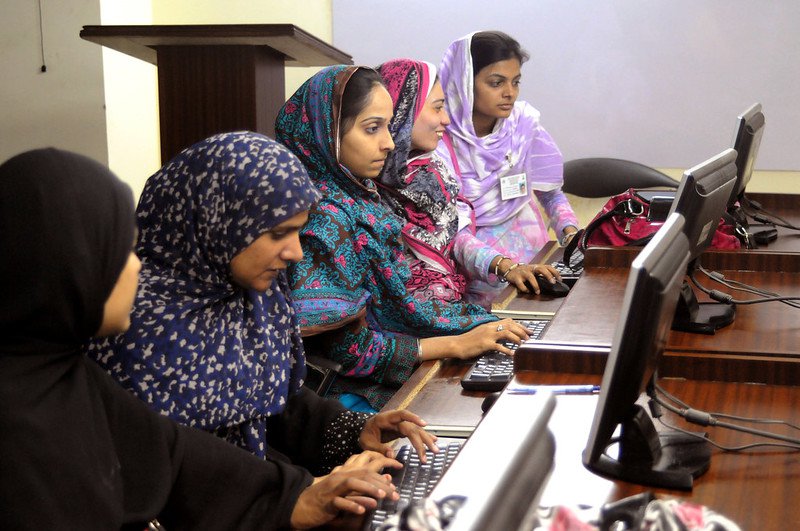
2. Rise of Digital & Hybrid Learning
Digitization has reshaped the world of skills training. Learners now combine classroom instruction with online courses, micro-credentials, and video-led tutorials.
Platforms like DigiSkills, Coursera, YouTube Learning, and NAVTTC’s LMS play an important role.
Popular digital skills:
- Freelancing
- Graphic design
- Office productivity
- Social media marketing
- E-commerce store management
Hybrid learning ensures flexibility and broadens access for women and youth in remote regions.
3. High Demand for Soft Skills
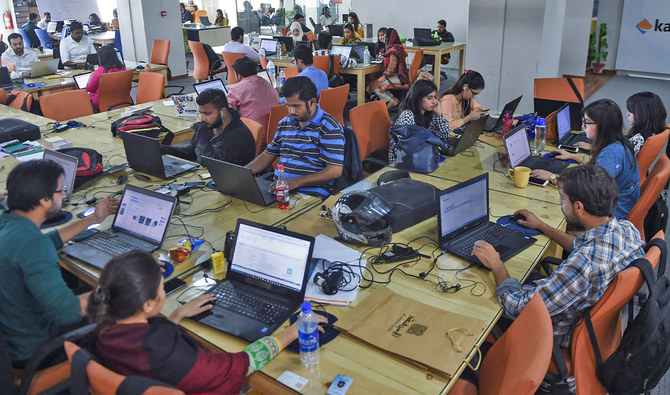
Employers today demand more than technical abilities.
Soft skills have become essential across almost every trade.
Key soft skills include:
- Communication
- Customer service
- Digital literacy
- Teamwork
- Problem-solving
Training centers are integrating these skills to produce more employable graduates.
4. Growth of Micro-Credentials & Short Courses
Short-duration training (2–12 weeks) is gaining popularity among employers and youth because it delivers quick, specific skills.
Examples:
- Stitching & fashion design
- Mobile repair
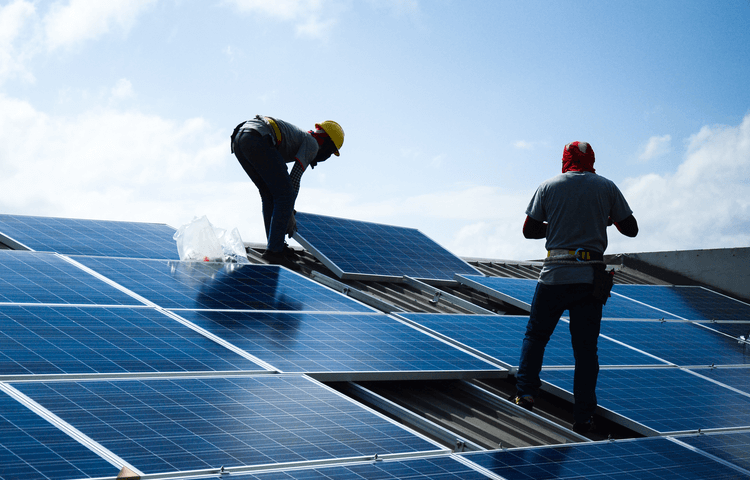
- Solar installation
- Hospitality basics
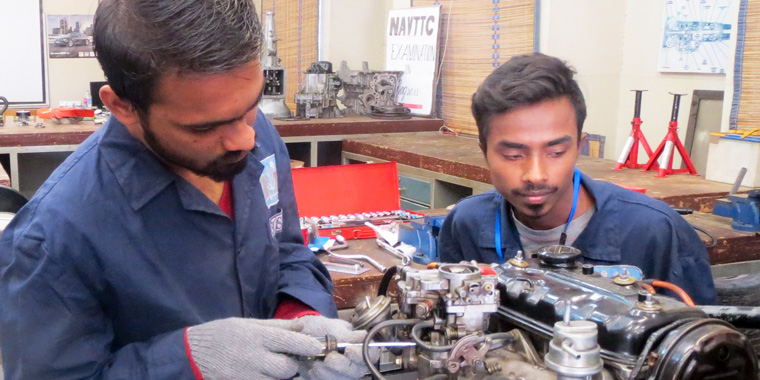
- Auto service & maintenance
These programs directly support job placement and entrepreneurship.
5. Sector-Wise Skills Trends in Pakistan
a. IT & Freelancing
Pakistan’s freelancing market keeps expanding. Digital professionals in web development, content creation, graphics, and digital marketing are in high demand.
b. Construction & Green Skills
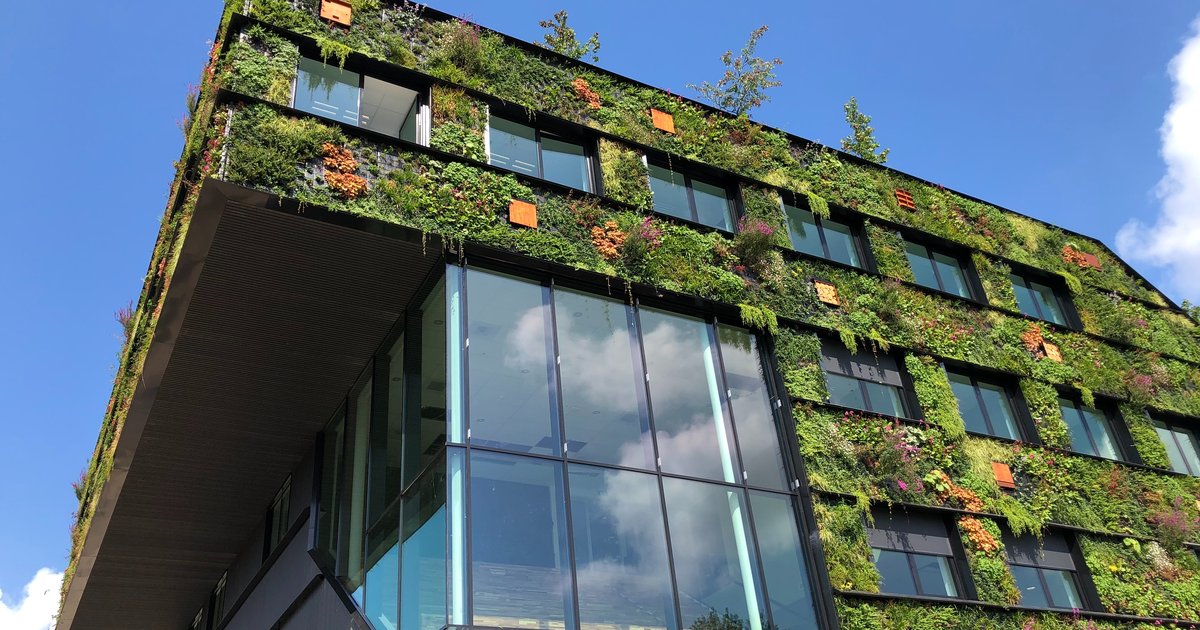
With infrastructure growth and climate change awareness, trades like solar PV, HVAC, plumbing, and electrical work are highly sought after.
c. Hospitality & Tourism
As tourism grows, hospitality-related skills (food safety, housekeeping, front desk operations) are in demand.
d. Automotive & EV Technologies
Electric vehicle mechanics and diagnostic technicians represent the next emerging field.
6. Future Skills Outlook
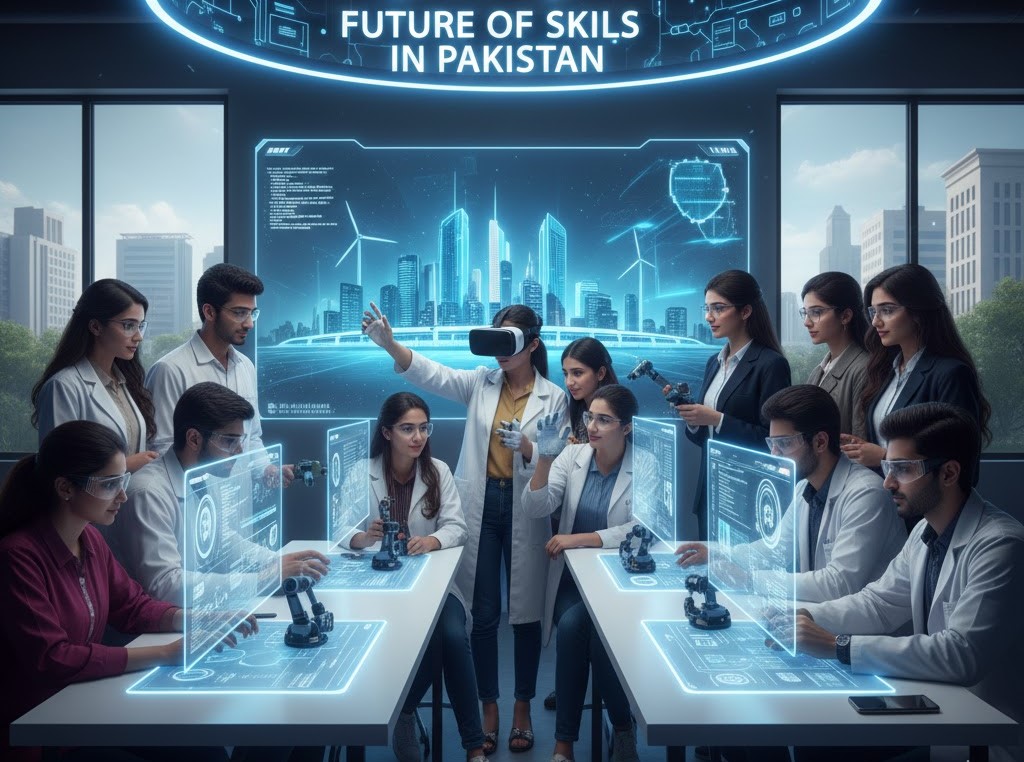
Over the next decade, Pakistan will shift toward:
- Green economy jobs
- Digital-first skillsets
- AI-assisted roles
- Entrepreneurship-driven work
- Industry-integrated apprenticeships
HunarSaaz is committed to helping youth and women prepare for this changing landscape.
Conclusion
Vocational training is no longer limited to traditional trades. With evolving industry needs and digital innovation, learners now have countless pathways to employment and business. HunarSaaz continues to support youth through skill-based training, mentorship, and structured learning programs that prepare them for the future of work.